Honoring a Forgotten Hero
Officer Charles P. Williams: A Legacy Remembered
Discover the story of Officer Charles P. Williams, the first African American LAPD officer to be killed in the line of duty, and the long-overdue recognition of his sacrifice.
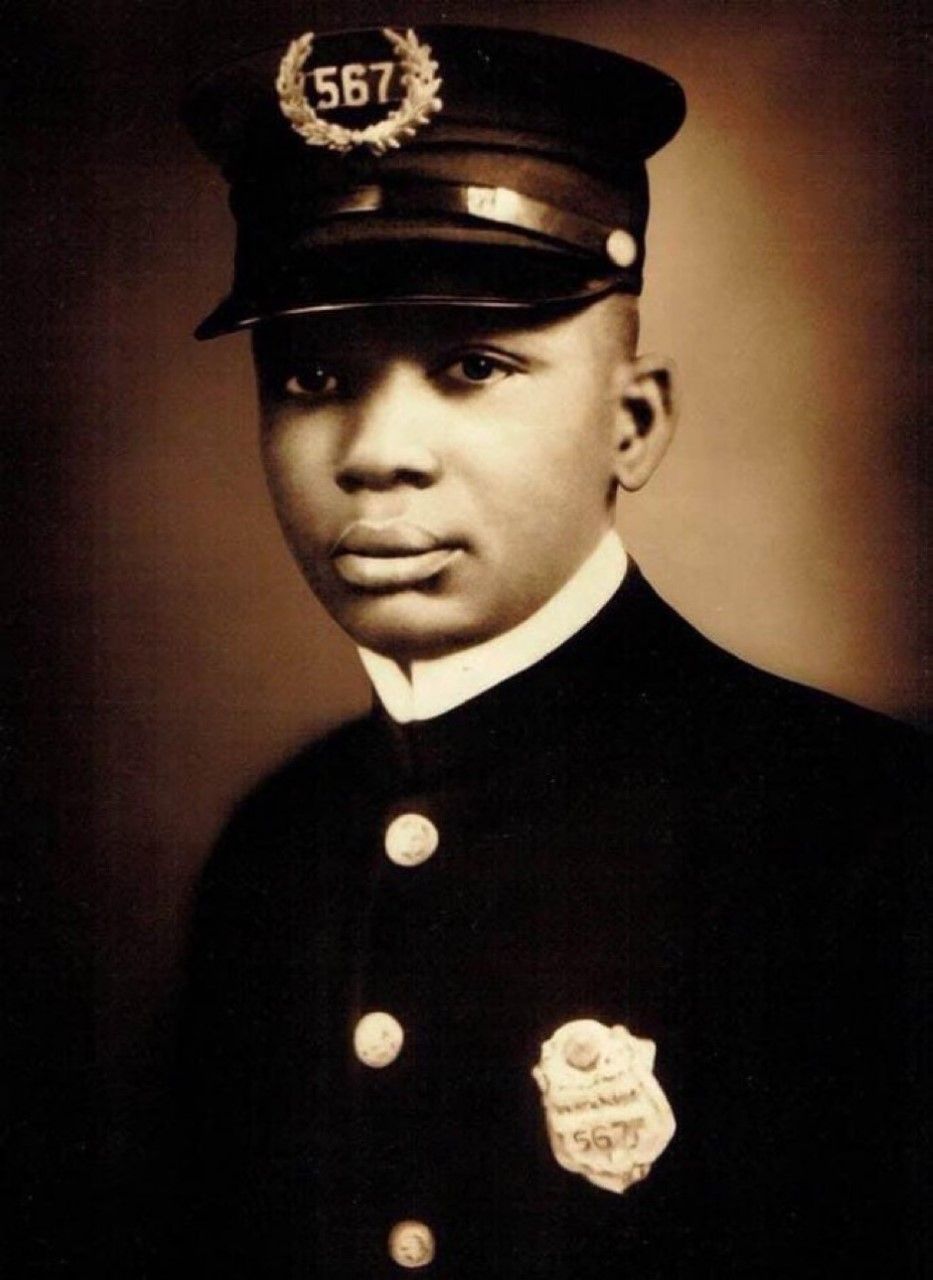
Officer Charles P. Williams: A Life of Service
L.A. Honors Forgotten Legacy of Black Officer Killed in 1923 Line of Duty
LOS ANGELES (AP) — Nearly a century after his death, Officer Charles P. Williams is finally receiving the recognition that eluded him in life—and in death.
This week, the Los Angeles City Council dedicated the intersection of Central Avenue and 6th Street as “Officer Charles P. Williams Square,” honoring the city’s first known African American police officer to die in the line of duty.
Williams was 35 years old and working vice operations when he was fatally shot on Jan. 13, 1923, while responding to a disturbance at a residence on East 8th Street. Though his death made headlines at the time, the LAPD misidentified his race in official records for decades. As a result, his sacrifice went unrecognized within the department’s historical narrative.
For much of the 20th century, Officer Oscar Joel Bryant, killed in 1968, was believed to be the first Black LAPD officer to die in the line of duty. That belief persisted until the late 1990s, when John Thomas, then an LAPD sergeant, uncovered the truth while researching department history at the downtown public library.
“I found a newspaper photograph that made everything clear,” said Thomas, now assistant chief of USC’s Department of Public Safety. “It was undeniable—Charles P. Williams was African American, and he had been forgotten.”
Williams’ burial mirrored that neglect. Although his funeral was attended by city dignitaries and police officials, his widow, left with a four-year-old child and a modest $1,000 pension, could not afford a headstone. For decades, his grave at Evergreen Cemetery in East Los Angeles remained unmarked.
Following Thomas’s discovery, the Los Angeles Police Memorial Foundation donated a granite marker engraved with a eulogy from Williams’ 1923 funeral: “His achievements in the enforcement of the law will forever be a beacon of light.”
“This is about more than just one officer,” said City Councilwoman Jan Perry, who led this week’s dedication ceremony. “It’s about acknowledging the contributions of Black officers who served under difficult and unequal circumstances.”
In 1923, Black LAPD officers were often assigned only to patrol Black neighborhoods, paired exclusively with other Black officers, and frequently excluded from full participation in the department’s culture and promotions. Despite this, Williams served with distinction and gave his life in the performance of his duty.
No living descendants of Williams are known to reside in Los Angeles, but officials say his story will now have a permanent place in the city’s historical memory.
“His name is now visible,” said Thomas. “And that visibility matters.”
Key Milestones in Officer Williams' Legacy
Explore the pivotal moments in the life of Officer Charles P. Williams and the evolving role of Black officers in the LAPD.
1888
Birth of Charles P. Williams
Charles P. Williams is born, setting the stage for a life dedicated to service and justice.
1920
Joins LAPD
Williams begins his career with the LAPD, breaking barriers as one of the few African American officers at the time.
1923
Tragic Death in the Line of Duty
Officer Williams is fatally shot while responding to a call, marking a somber moment in the history of the LAPD.
1998
Rediscovery of His Legacy
John Thomas uncovers the truth about Williams’ race and contributions, leading to efforts to honor his memory.
Voices of Recognition
“This dedication is a long-overdue acknowledgment of Officer Williams’ bravery and the challenges faced by Black officers in the past,” said City Councilwoman Jan Perry. “His story is a testament to the resilience and courage of those who served under unequal conditions.”
Jan Perry, City Councilwoman
“Recognizing Officer Williams is crucial in understanding our city’s history and the contributions of African American officers,” remarked John Thomas, assistant chief of USC’s Department of Public Safety. “His legacy will inspire future generations.”
John Thomas
“This ceremony is not just about one officer, but about acknowledging the contributions of all Black officers who served with distinction,” stated a community leader at the event.
Community Leader